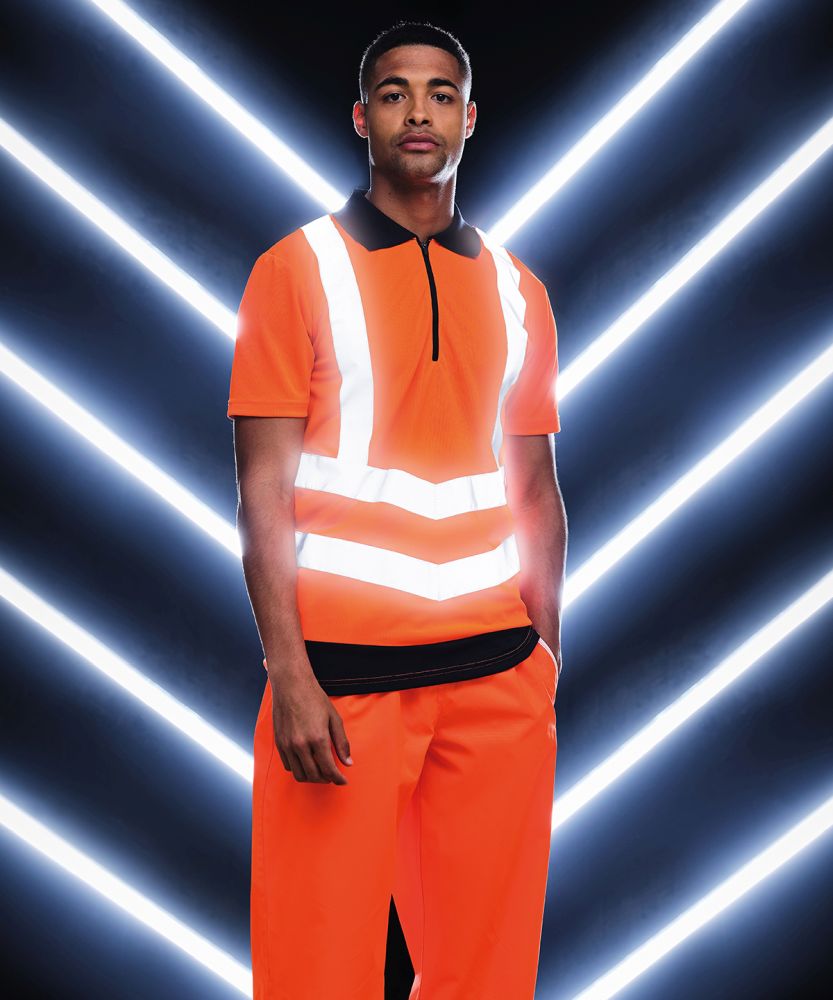
High-visibility (hi-vis) vests are a staple of workplace safety across construction sites, warehouses, roadworks, events, and industrial settings. They’re designed to keep workers visible in low-light conditions and busy environments, reducing the risk of accidents. As more businesses customise their workwear with logos, names, and branding, a common question arises: Do Printed Hi-Vis Vests Still Meet Safety Standard Regulations?
This is an important concern for employers who want to balance professional branding with legal compliance and, most importantly, worker safety. Let’s break down how printing affects hi-vis garments and what you need to know to stay compliant.
Understanding Hi-Vis Safety Standards
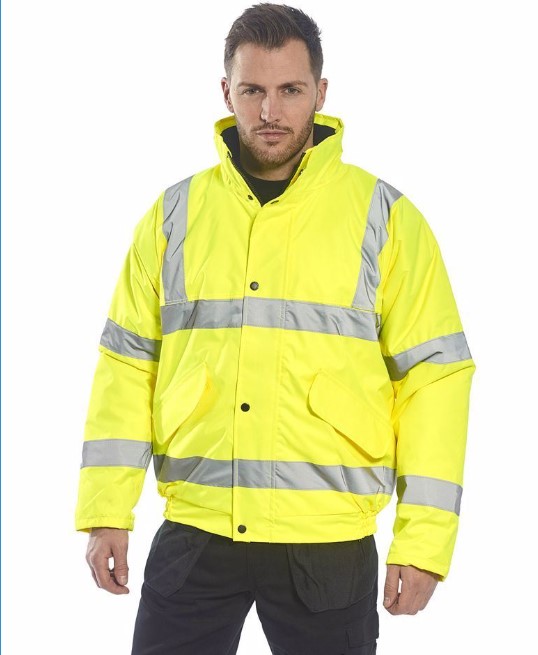
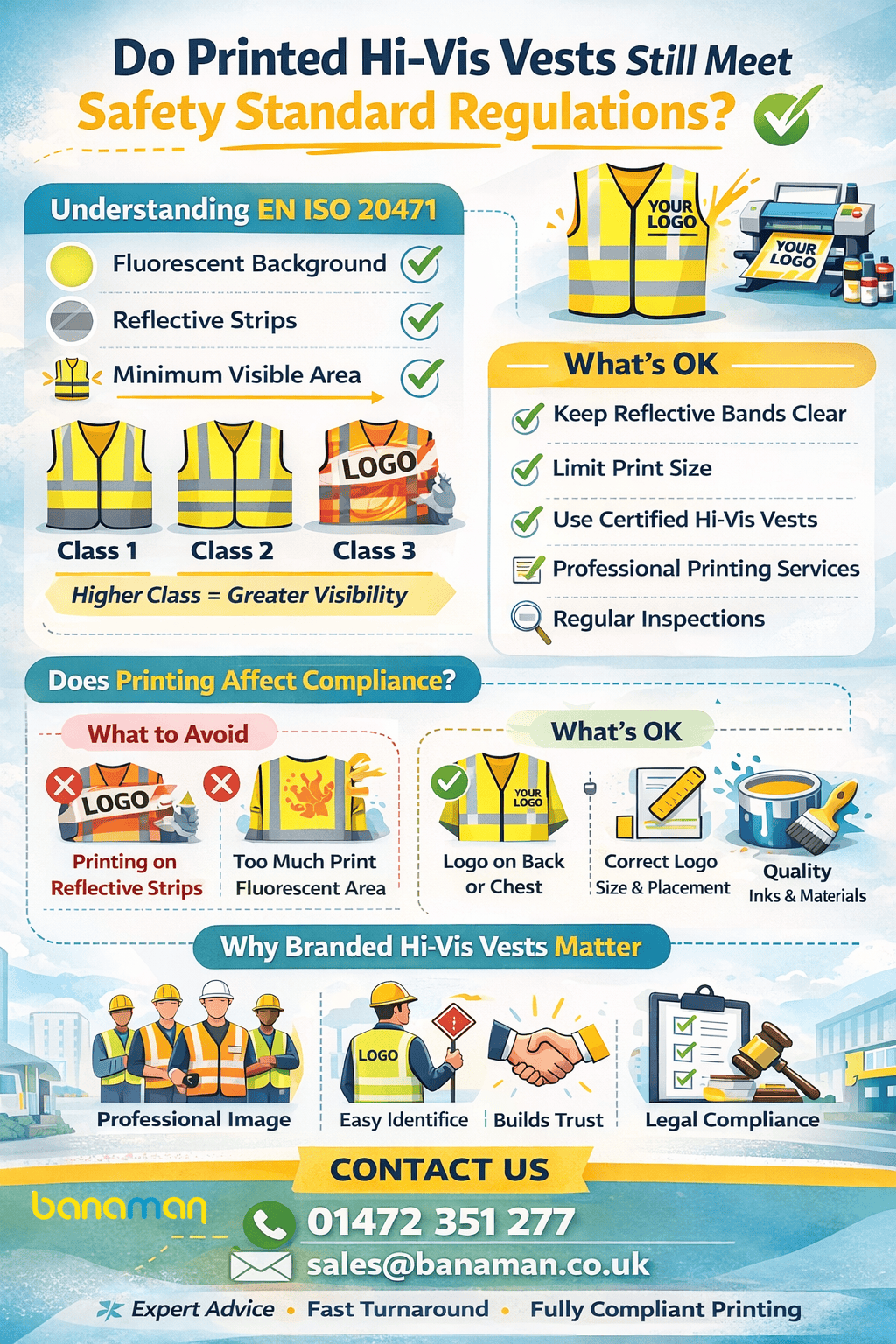
In the UK and across Europe, high-visibility clothing is governed by EN ISO 20471 standards. These regulations specify the minimum requirements for fluorescent background material, reflective tape, and overall garment design. The goal is simple: to ensure the wearer is clearly visible in both daylight and low-light conditions.
Hi-vis vests are categorised into different classes (Class 1, 2, and 3), depending on the amount of visible material and reflective striping. The higher the class, the greater the level of visibility and protection offered. Employers must select the correct class of garment based on the level of risk in the working environment.
When purchasing hi-vis clothing, it’s vital to ensure the product is certified to the appropriate standard and that this certification remains valid after any customisation.
Does Printing Affect Compliance?
Printing itself does not automatically make a hi-vis vest non-compliant. However, how and where the printing is applied can affect whether the garment still meets the required safety standards.
The main concern is that printed logos or text can cover fluorescent material or reflective strips. If too much of the visible surface area is obscured, the vest may no longer meet the minimum requirements for visibility. This could potentially invalidate its certification.
For example, large prints placed over reflective tape can reduce the garment’s ability to reflect light, which is critical for visibility at night or in poor weather. Similarly, excessive printing on the fluorescent areas can reduce the overall visible coverage required by EN ISO 20471.
That’s why it’s essential to work with experienced suppliers who understand how to apply branding without compromising compliance. Services like safety vest printing grimsby typically follow industry guidelines to ensure customisation doesn’t interfere with safety performance.
Best Practices for Printing Hi-Vis Vests
If you want branded hi-vis vests that still meet safety standards, here are some practical guidelines:
- Keep reflective strips clear: Never print over reflective tape. This is a key safety feature and must remain unobstructed.
- Limit print size: Logos and text should be sized appropriately so they don’t reduce the visible fluorescent area below regulatory thresholds.
- Use suitable inks and materials: High-quality, flexible inks that don’t crack or peel help maintain the vest’s performance and durability.
- Choose compliant base garments: Always start with certified hi-vis vests and confirm that printing does not void the manufacturer’s compliance.
- Work with specialists: Professional workwear printers understand the regulations and can advise on safe logo placement.
By following these best practices, businesses can enjoy the benefits of branded safety wear without compromising worker protection.
Why Branded Hi-Vis Vests Still Matter
Branded hi-vis vests offer more than just visibility. They help create a professional image, reinforce brand identity, and make staff easily identifiable on busy sites. This can improve trust with clients and members of the public, especially in customer-facing roles such as traffic management, utilities, and events.
Revisiting the core question — Do Printed Hi-Vis Vests Still Meet Safety Standard Regulations? — the answer is yes, as long as printing is done responsibly and in line with the standards. Customisation should enhance your team’s appearance without reducing the garment’s primary safety function.
Employers also benefit from improved accountability. When workers are clearly identifiable, it can promote better behaviour, clearer communication, and easier supervision on site.
Employer Responsibilities and Legal Considerations
Under UK health and safety law, employers are responsible for providing appropriate personal protective equipment (PPE) and ensuring it is fit for purpose. This includes high-visibility clothing where required by risk assessments.
If a printed hi-vis vest no longer meets regulatory standards due to poor customisation, the employer could be at risk of non-compliance. This can have legal and financial consequences, particularly if an incident occurs and PPE is found to be inadequate.
That’s why it’s worth periodically reviewing your workwear supplier and checking that your branded garments still meet current regulations. Regular inspections of PPE, including hi-vis vests, should also be part of your safety procedures.
Final Thoughts
So, Do Printed Hi-Vis Vests Still Meet Safety Standard Regulations? In most cases, yes — but only when printing is done correctly and with compliance in mind. Branded hi-vis clothing can be both professional and safe, provided the core visibility features remain intact.
Investing in quality garments and professional printing services ensures your team looks the part while staying protected. Safety should never be compromised for branding, but with the right approach, you can achieve both.
Contact Us
If you’d like advice on compliant printed hi-vis vests or need help with custom workwear for your team, get in touch with us today. Our friendly team is happy to guide you through the options and help you find a solution that keeps your workforce safe and looking professional.
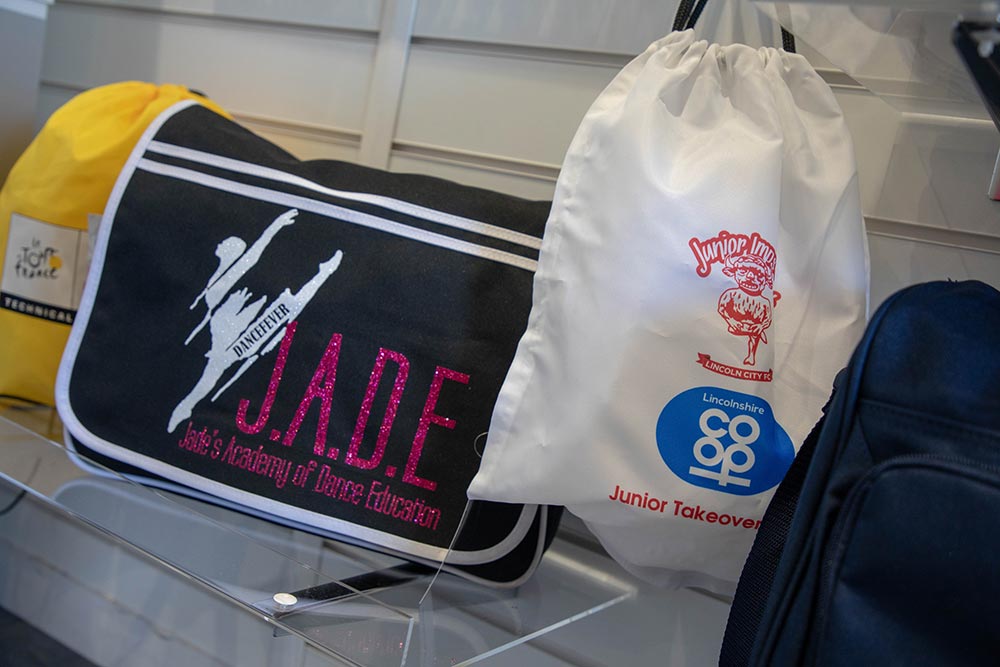
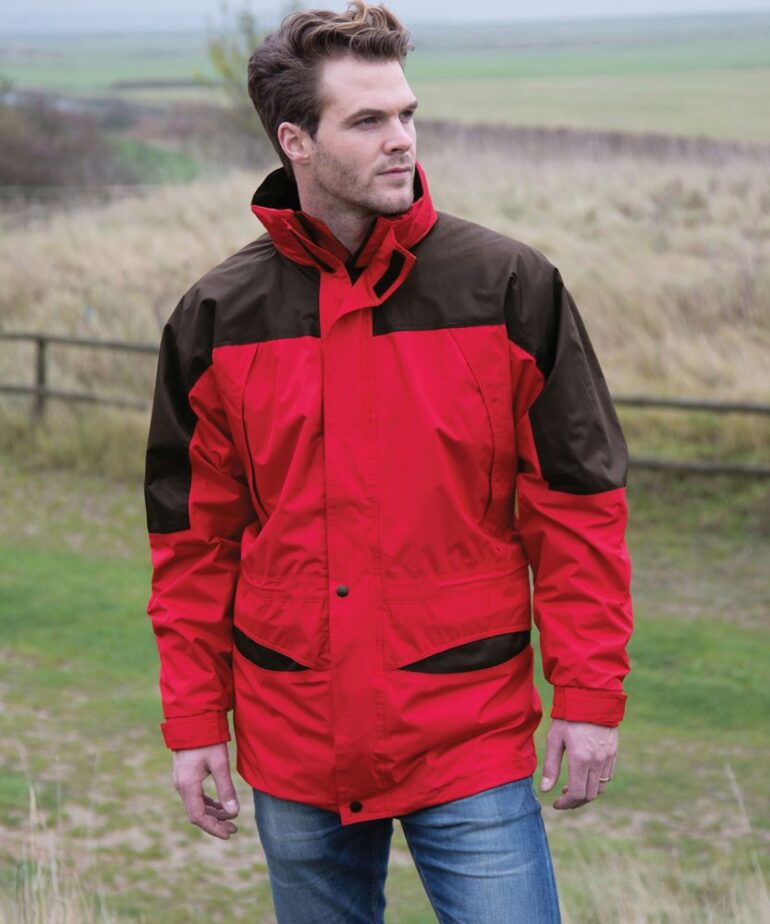
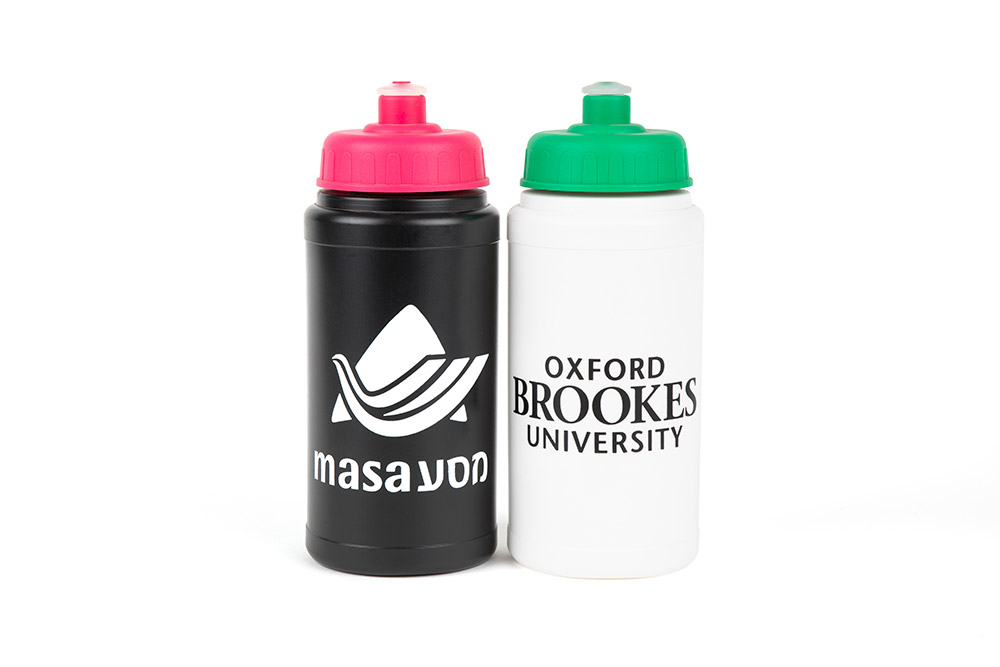
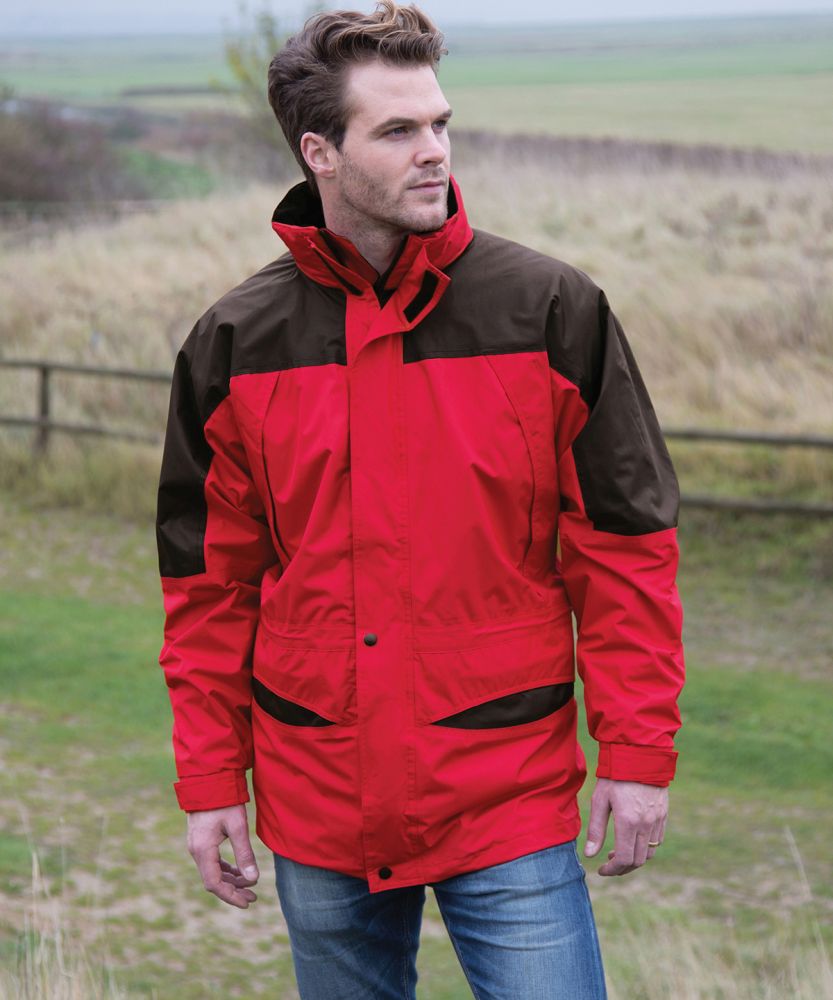
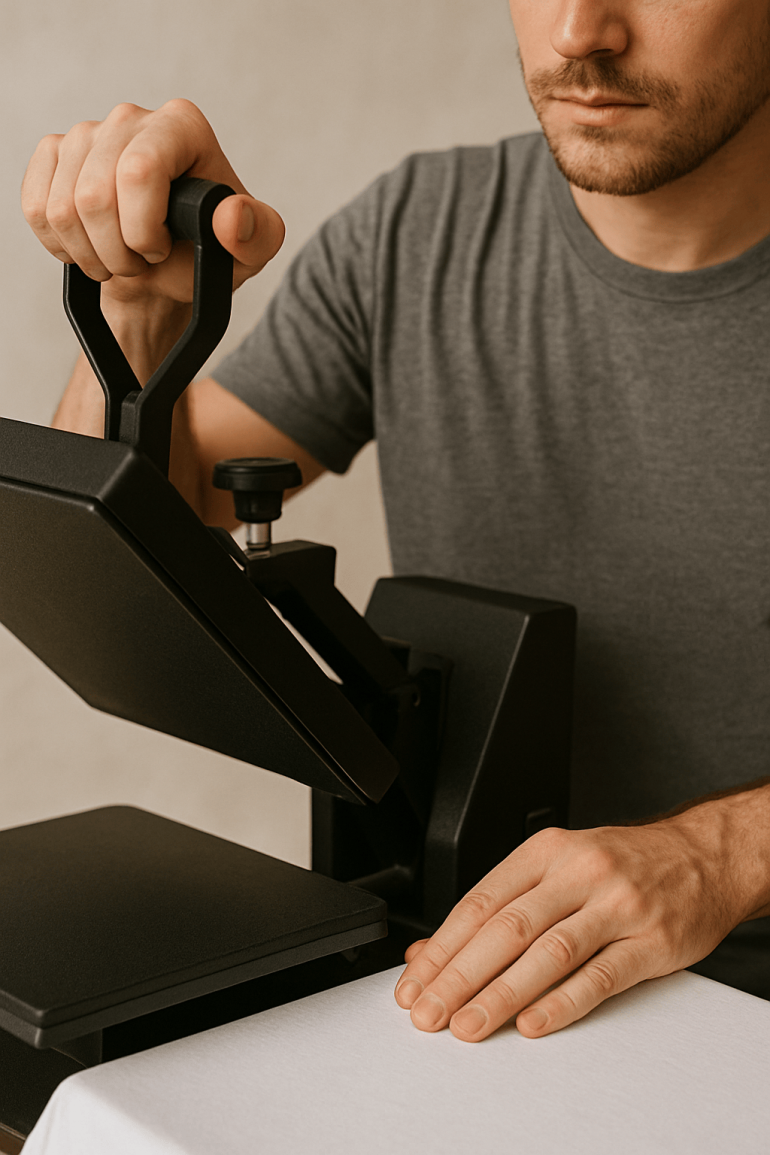
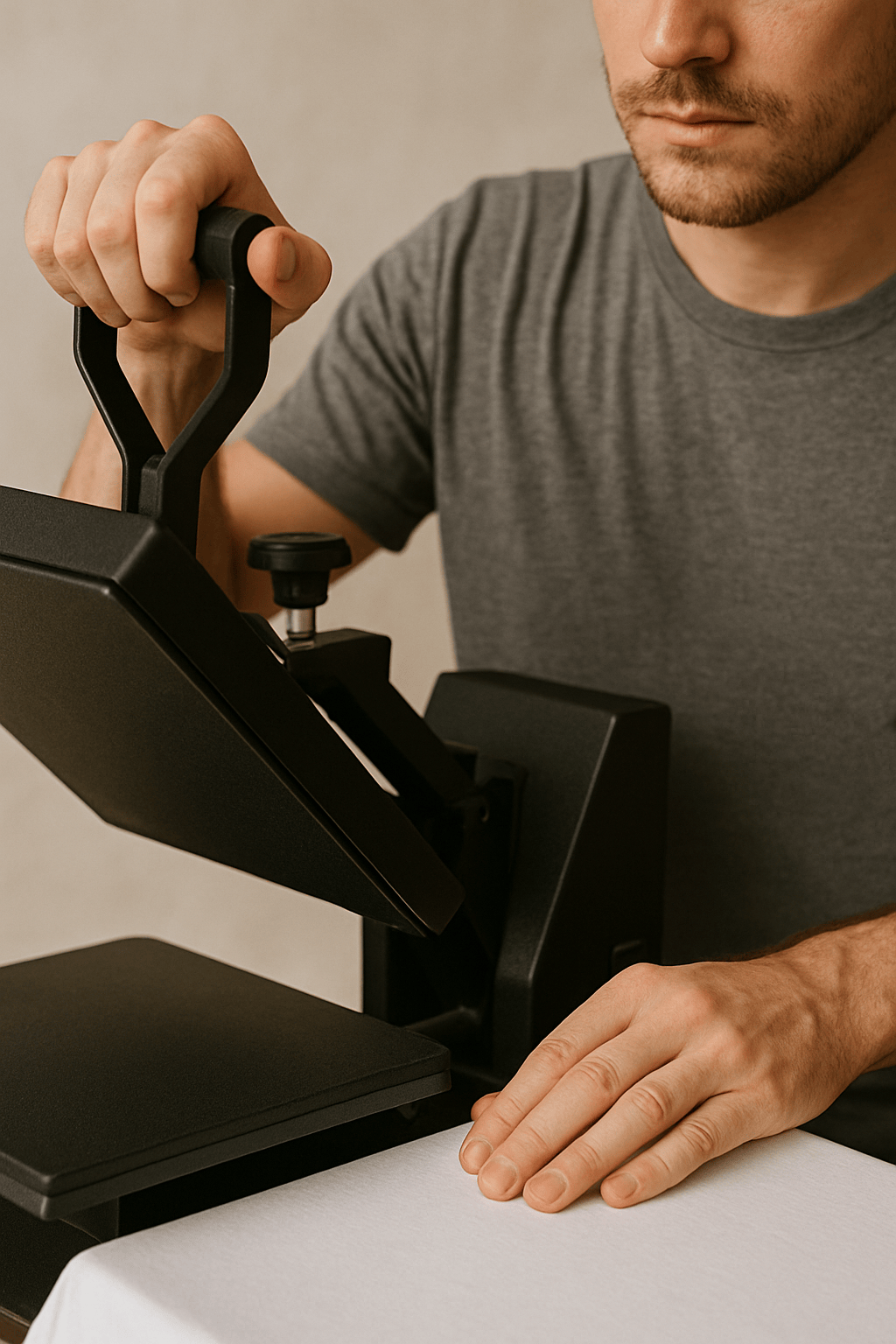




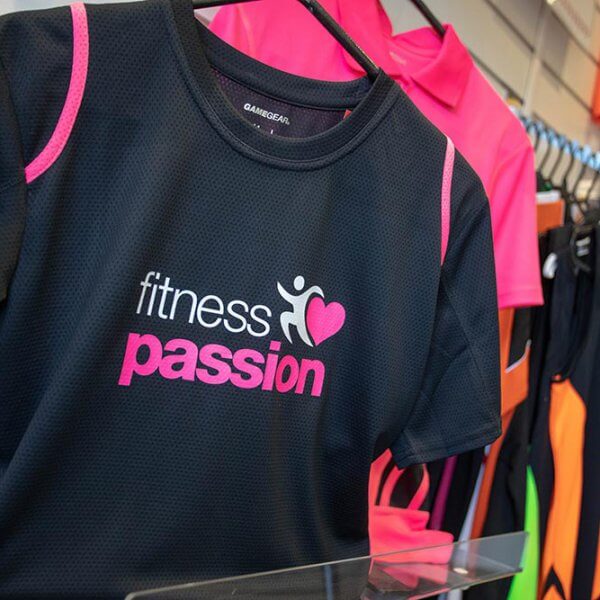
 Custom workwear has evolved from a simple embroidered polo shirt to full-scale uniforms that reflect a company’s image and values. Whether it’s hospitality, retail, construction or corporate services, more organisations are recognising the benefits of dressing their teams in unified, branded clothing. It fosters team spirit, increases visibility and instils customer confidence.